
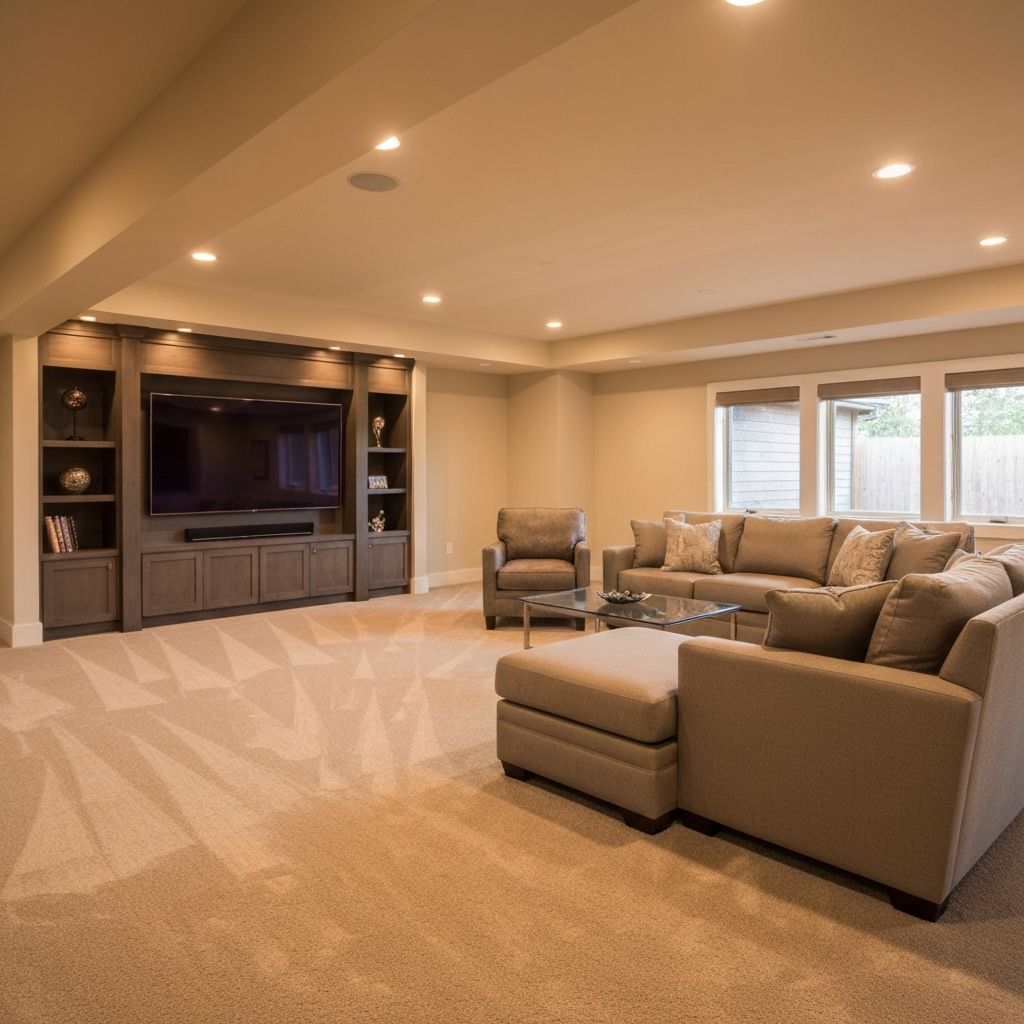
Planning a basement remodel in Pennsylvania requires understanding local codes, moisture management, and realistic timelines. Here is what homeowners should consider before breaking ground.
## Understanding Pennsylvania Basement Requirements
Basement finishing in Pennsylvania comes with specific requirements that differ from other states. Before starting your project, understanding these factors helps set realistic expectations and avoid costly surprises.
### Egress Window Requirements
Pennsylvania building codes require habitable basement spaces to have proper egress. If your basement will include a bedroom, you will need an egress window that meets specific size requirements:
- Minimum opening of 5.7 square feet
- Minimum opening height of 24 inches
- Minimum opening width of 20 inches
- Maximum sill height of 44 inches from the floor
Installing an egress window involves excavation, well installation, and waterproofing—work that should be factored into your budget and timeline.
### Moisture Management First
Pennsylvania's climate means basements deal with moisture from multiple sources: groundwater, humidity, and condensation. Addressing moisture before finishing is essential, not optional.
Common moisture solutions include:
- Interior drainage systems
- Sump pump installation or upgrade
- Exterior waterproofing for severe cases
- Proper vapor barriers
- Adequate ventilation and dehumidification
Skipping moisture remediation to save money inevitably leads to bigger problems—mold, damaged finishes, and wasted investment.
### Ceiling Height Considerations
Many Pennsylvania homes, especially those built before 1990, have basements with ceiling heights under 7 feet. Current code requires minimum 7-foot ceiling height for habitable space.
Options for low-clearance basements:
- Lowering the floor (expensive but effective)
- Working around obstacles with creative design
- Using thinner finishing materials where code allows
- Accepting that some areas may not meet habitable-space standards
### Realistic Timeline and Budget
A basement finishing project typically takes 4-8 weeks depending on scope and complexity. Budget depends heavily on:
- Size of the space
- Bathroom inclusion (adds significant cost and time)
- Egress window needs
- Moisture remediation requirements
- Finish levels and material choices
Getting multiple quotes and understanding exactly what is included helps avoid surprises.
### Working with Professionals
Basement finishing involves framing, electrical, plumbing (if applicable), HVAC, insulation, drywall, flooring, and finishing work. Permits and inspections are required for most of this work.
Working with a contractor experienced in Pennsylvania basement finishing ensures code compliance and quality results that hold up over time.